Travelling with kids can be one of life's greatest adventures. It can also feel like you're packing for a six-month expedition when you're only heading away for a weekend.
Between snacks, spare clothes, sunscreen, water bottles, toys, chargers and the inevitable "Mum, where's my hat?", staying organised can seem impossible. The good news? With a little planning and a few clever systems, family travel can be far less chaotic and a whole lot more enjoyable.
Here's how seasoned travelling parents stay organised when travelling with kids.
1. Pack by Person, Not by Category
It might seem logical to pack all the shirts together, all the shorts together and all the socks together. Until you're standing in a holiday park at bedtime trying to work out which pyjamas belong to which child.
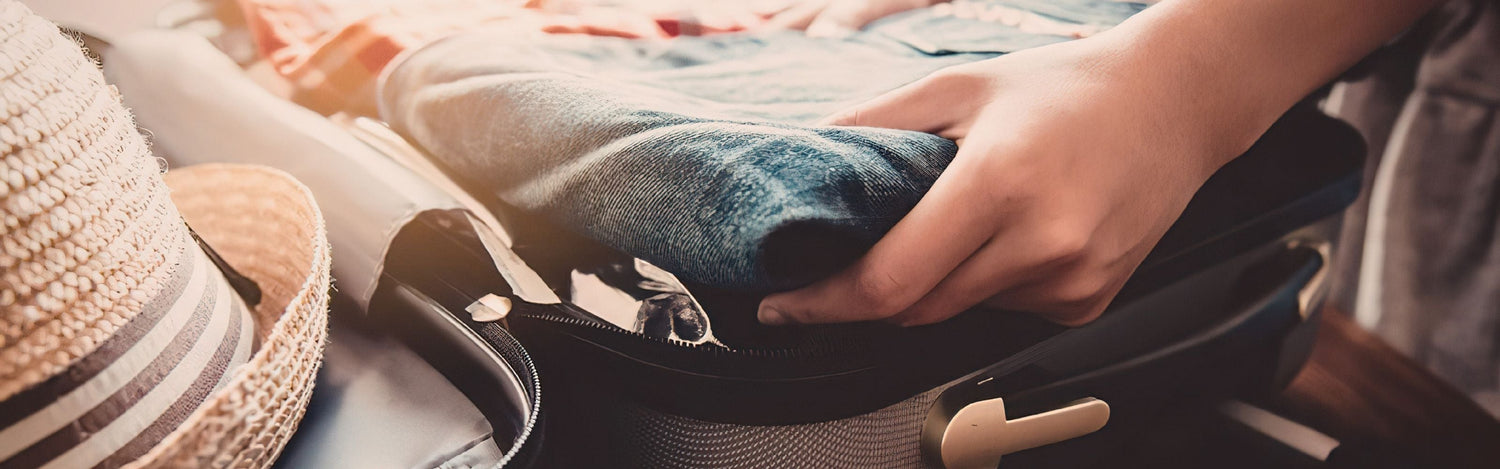
Instead, pack each child's clothing into separate packing cubes or zip bags.
This makes it easy to:
- Find outfits quickly
- Keep everyone's belongings together
- Avoid unpacking the entire suitcase every day
- Give older kids responsibility for their own items
Top tip: Label each packing cube with your child's name or favourite colour.
2. Create a Grab-and-Go Travel Essentials Bag
Every parent knows there are certain items you need access to at all times.
Think:
- Sunscreen
- Hats
- Wet wipes
- Tissues
- Snacks
- Water bottles
- Hand sanitiser
- Small first aid items
Rather than scattering these throughout your luggage, keep them together in one dedicated essentials bag that stays within arm's reach.
Whether you're navigating an airport, heading to the beach or stopping at a playground, you'll always know exactly where everything is.
3. Master the Art of Snack Organisation
Hungry kids and delayed flights are not a great combination.
Pre-pack snacks into individual portions before you leave home. This prevents digging through multiple packets and helps reduce waste.
Some family travel favourites include:
- Crackers
- Dried fruit
- Muesli bars
- Popcorn
- Rice cakes
- Fruit pouches
Store them in a dedicated snack pouch so you're not searching through bags every time someone says they're hungry.
Which, let's be honest, will be approximately every 17 minutes.
4. Keep Sun Protection Within Reach
Australia's sun doesn't take holidays just because you do. Whether you're road-tripping along the coast, exploring a theme park or spending the day at the beach, keeping sunscreen accessible is one of the easiest ways to stay organised and protected.
Keeping sun protection as part of your travel essentials system means you're less likely to forget reapplication during busy days out.
(One of the reasons we started Solmates is because this was such a pain point for our family. We were doing all the right things - packing sunscreen, hats and water bottles -but sunscreen always seemed to be the item causing the most frustration. It leaked, took up space and somehow ended up at the bottom of the bag when we needed it most. That's what sparked the idea for Solmates: a simpler, less messy way to take sun protection wherever family adventures lead.)
5. Give Every Item a Home
One of the biggest causes of travel stress is constantly searching for things.
The solution is simple: every item needs a designated place.
For example:
- Electronics in one pouch
- Toiletries in another
- Medications in a separate bag
- Travel documents in a dedicated wallet
- Kids' entertainment in one easy-to-access organiser
When everyone knows where things belong, there's less frantic searching and more time enjoying your holiday.
6. Use a Daily Activity Bag
Instead of carrying everything everywhere, pack a smaller day bag each morning with only what you'll need.
This could include:
- Sunscreen
- Water bottles
- Snacks
- Hats
- A change of clothes
- Wet wipes
The lighter your bag, the easier it is to stay organised throughout the day.
Bonus: you'll spend less time digging through unnecessary items.
7. Prepare Entertainment Before You Leave
Few things derail family travel faster than bored children.
Before departure:
- Download movies and shows
- Pack colouring books
- Bring travel games
- Load audiobooks and podcasts
- Create surprise activity packs
Keeping entertainment organised in one location means less stress during flights, road trips and restaurant waits.
8. Plan for the "Just In Case" Moments
Experienced travelling parents know that flexibility is the ultimate organisation tool.
Pack a small contingency kit containing:
- Spare underwear
- A spare outfit
- Plastic bags
- Basic medications
- Wet wipes
- A small towel
You may not need it.
But when someone spills a juice box, gets car sick or discovers a puddle they absolutely had to jump in, you'll be very glad it's there.
9. Get the Kids Involved
Organisation doesn't need to be a one-parent job.
Depending on their age, kids can:
- Pack their own entertainment
- Carry their water bottle
- Be responsible for their hat
- Help repack after activities
Giving children ownership of simple tasks builds independence and reduces the mental load on parents.
Plus, they often enjoy feeling like part of the travel team.
10. Simplify Wherever Possible
The secret to organised family travel isn't bringing more.
It's bringing less.
Choose multi-purpose items, minimise duplicates and focus on essentials. The fewer items you pack, the fewer items you need to manage.
When it comes to travelling with kids, simple systems almost always outperform complicated ones.
Final Thoughts
Travelling with kids will never be completely predictable.
But with a few practical systems, a well-stocked essentials bag and a little preparation, you can spend less time searching for missing hats and more time making memories together.
Because family holidays should be about adventures, ice creams, beach days and discovering new places - not wondering where the sunscreen disappeared to this time.
Safe travels, and don't forget the snacks.