World Oceans Day is a reminder that the ocean isn’t “somewhere else” - it’s everywhere. It shapes our climate, produces much of the oxygen we breathe, supports entire ecosystems, and connects every coastline on Earth.
And yet, it’s under pressure. A lot of it. Plastic pollution. Packaging overload. Convenience culture that moves faster than waste systems can keep up.
It can feel like a lot. Too big, too far gone, too complex.
But here’s the thing we keep coming back to at Solmates: big change doesn’t usually start big. It starts in the small stuff you do on autopilot. Like how you pack your bag. How you apply sunscreen. How you deal with the “empty bottle again” moment.
That’s our space. The everyday repeat loop.
Why ocean health matters to all of us
Quick reality check: the ocean covers more than 70% of the planet. It’s doing a lot of heavy lifting. But it’s also dealing with a growing load of human-made waste — most of it coming from things designed to be used once, then binned without a second thought.
Every year, millions of tonnes of plastic end up in marine environments through rivers, coastlines, and landfill leakage. And a huge chunk of that starts life as “just packaging”.
The impact shows up in all the usual (and very unfun) ways:
Some of the impacts include:
- Wildlife tangled in or ingesting plastic
- Microplastics showing up where they absolutely shouldn’t be
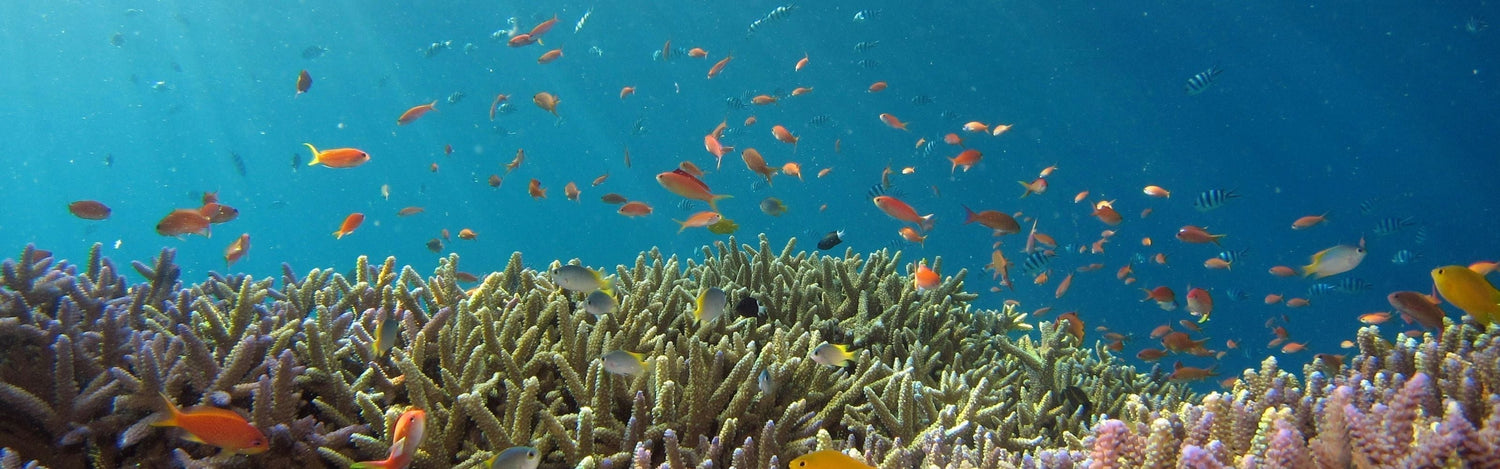
- Coral reefs under stress
- Coastal communities dealing with pollution fallout
Systemic change is absolutely essential - but so are the small decisions that shape demand for single-use packaging in the first place.
The hidden waste in everyday routines
Think about your typical day - hand cream, sunscreen, skincare, sanitiser, travel minis… it adds up quickly. And most of these share the same feature: packaging designed to be used once, then thrown away.
A few common issues:
- Small plastic tubes and bottles that get replaced constantly
- Mixed materials that are hard (or impossible) to recycle properly
- Travel sizes that prioritise convenience over longevity
- Constant repurchasing that multiplies packaging over time
Individually, they feel insignificant. But across households, workplaces, schools, and travel routines, the impact stacks up far more than most of us realise.
So what if the container wasn’t the disposable part?
This is where things get interesting. Instead of treating packaging as something you constantly replace, what if you designed it to stay? That’s the shift behind reusable systems.
Reusable products help by:
- Reducing reliance on single-use plastics
- Extending the life of durable applicators and containers
- Cutting down packaging waste over time
- Encouraging more mindful, less “throwaway” habits
Instead of replacing the whole container every time you run out, you keep the part that lasts and simply refill what’s inside.
At Solmates, this is exactly what we build for - everyday containers designed to be reused again and again, not churned through and discarded.
Refills are a quiet kind of impact
It’s easy to underestimate packaging choices because each item feels small in isolation.
But zoom out and it adds up fast:
- One applicator can replace dozens of single-use formats over time
- Less packaging means less demand for new plastic production
- Reuse shifts the whole system from linear → circular
It’s not about doing everything perfectly. It’s about removing repetition where it doesn’t need to exist.
Simple ways to reduce waste
You don’t need to change everything overnight. In fact, the most sustainable habits are usually the ones that feel easy enough to stick with.
So if you’re thinking about where to start, keep it simple:
1. Swap where it’s easy: Start with the products you use constantly — sunscreen, skincare, travel basics.
2. Reduce the “mini everything” pile: Travel-size convenience often = long-term waste. Refillable beats replaceable.
3. Choose things built to last: If it feels flimsy or temporary, it probably is.
4. Back systems, not just products: Look for brands designing out waste, not just offsetting it.
5. Make low-waste your default setting: Not perfect. Just normal.
That’s where real change lives.
Sustainability only works if you actually use it
Here’s a truth we come back to a lot: iIf something feels annoying, it won’t survive contact with real life. You’ll forget it. Or replace it. Or switch back.
That’s why we obsess over usability just as much as sustainability. At Solmates, we design refillable applicators and pots that live where life actually happens - in school bags, beach bags, handbags, glove compartments, travel kits.
Not a burden. Not a hassle. Just part of the routine. Because the most sustainable product is the one you don’t have to think twice about using.
What “ocean-friendly design” really looks like
We think ocean-friendly design is less about romanticising the ocean… and more about quietly removing unnecessary waste from everyday life.
For us, that comes down to three things:
Design for reuse: Make it refillable, not replaceable.
Strip out unnecessary packaging: Less stuff in the system = less stuff ending up where it shouldn’t.
Build for longevity: Products that stick around for years, not seasons.
It’s not flashy. But it works. And over time, it adds up to a lot less entering landfill — and eventually, the ocean.
FAQ: World Oceans Day & refillable living
What is World Oceans Day?
It’s observed on 8 June each year to raise awareness of ocean health and encourage action to protect marine ecosystems.
How does plastic end up in the ocean?
Through landfill leakage, stormwater systems, litter, and mismanaged waste that eventually makes its way into waterways.
Are refillable products actually better for the environment?
Yes - because they reduce repeat packaging over time, especially in high-use categories.
What are easy ways to reduce plastic waste?
Look at the things you replace most often. That’s usually where the biggest impact is hiding.
Why does packaging matter for ocean health?
Because it’s one of the biggest contributors to plastic waste - and much of it is designed for extremely short use cycles.